 Skaling
If you scroll Facebook for an hour a day like most people do, you've already walked past it a hundred times without knowing.
It's not "content creation." It's not dropshipping cheap stuff from China. It's not one of those "post AI videos and get rich" things clogging your feed.
It's older, quieter, and — for the small number of people who actually know how it works — pays absurdly well. I'll get to the numbers. First I need to tell you how I found it, because I only found it by accident, and I nearly missed it twice.
Never meant to have a boss
Rewind. Me at sixteen, working as a soccer referee.
Not because I loved soccer. Because it was one of the few jobs you could get at sixteen. You blew a whistle, made a call, and people yelled at you. Parents on the sideline. Coaches in your face. Sometimes it got genuinely intense.
I didn't hate the yelling itself. What I hated was standing there having to take it and not walk away. That was the first time I clocked something about myself: I was never really built to have a boss.
I did a stint in a factory next. Hated that even more. Loud, repetitive, wrong-shaped days that started with a punch card.
Then I found a quieter job at a small laptop shop. Not repair — reinstalling Windows on machines people brought in, setting up printers, basic IT support. Nobody yelled at me. Nobody breathed down my neck.
Turns out that quiet was the thing that ended up changing everything.
The $280-a-week starting line
Trainee wages. About $280 a week after tax. I did the tech-support job for close to three years — the last stretch bumped me up to just under $800 a week, which felt like a fortune until I did the math on it.
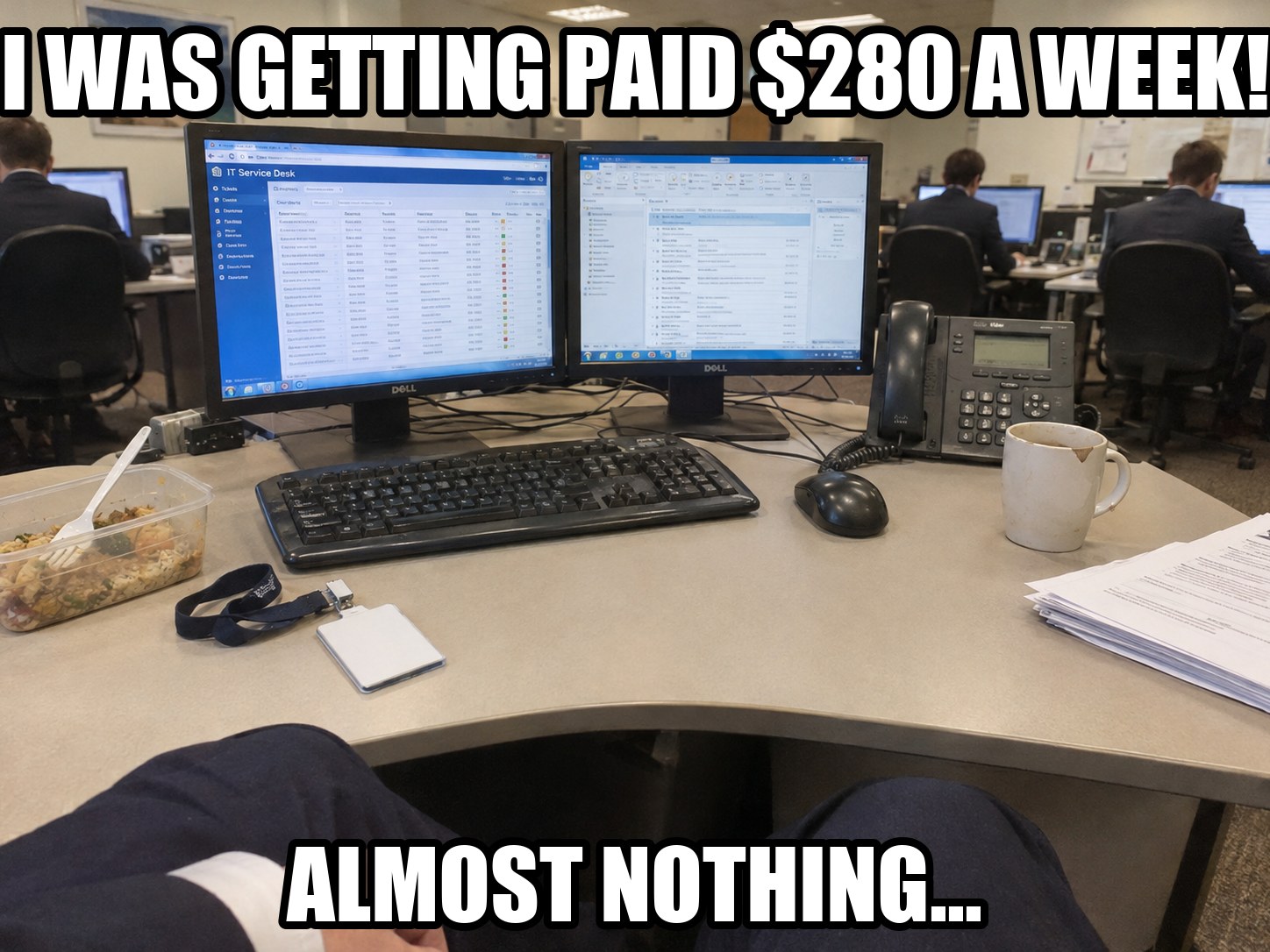
I liked the job well enough. The people were fine. I was decent at it. But the ceiling was the ceiling, and I could see it from where I was standing.
The one thing it did for me: it was quiet enough to let me think. Which is how I ended up on Reddit at midnight for the next year and a half straight.
The retirement math
Somewhere in year two I found a Reddit group called FIRE. Financial Independence, Retire Early. Whole community of people running calculators, obsessing over how much of their pay they could save, arguing about which investments to buy.
I got sucked in. Ran my own numbers on my $280 a week, my rent, my savings rate, the whole thing.
The spreadsheet said 25 to 34 years.
Not the dream.
I closed the laptop. Sat on the edge of my bed. Then I scrolled back into the thread and saw a pinned reply near the top I'd already scrolled past twice.
Someone had asked, "How long until you retire?"
"Three years. I'm doing e-com."
Three years. Not thirty.
I clicked that guy's profile like a maniac. Read everything he'd posted. Then I read everything I could find about e-commerce — running your own online store. Not the quiet corner. That came later.
Two weeks later I opened my first company.
The big old online store
October 2016. My first store was named — I promise this is real — "the big old online store." That was the level I was operating at.
It failed. Fast.
The second one, outdoors gear, did about $800,000 in sales in eight months. That eight months took everything out of me. Every waking hour.
Because here's the thing nobody told me: there was no proper course for any of this back then. No structured training. You had YouTube videos from gurus who'd never actually run a real store, Reddit threads that half-contradicted each other, and a lot of woo-woo hearsay. I was the only person I personally knew running an online store. I had nobody to ask when something broke.
What eventually turned it around was joining a small community — a paid one, actually — where a handful of people were quietly running stores and doing well. Suddenly I was in a group chat where I could ask real people real questions and see what was actually working right now. That's when everything started to click. Not because I read a manual. Because I could see other people ahead of me doing it.
The third store did well enough that I finally had some breathing room in the company account.
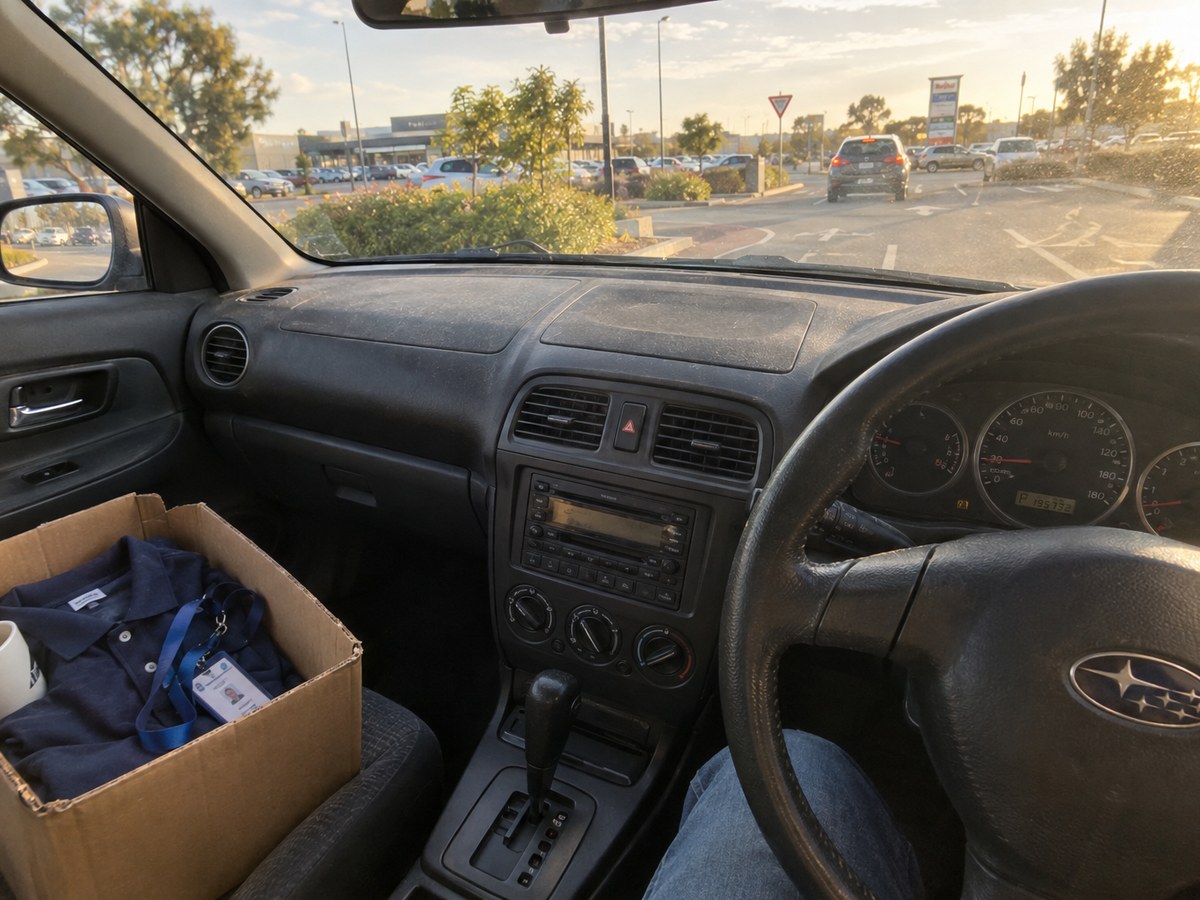
Once I had about $50,000 of pure profit sitting there untouched, I felt safe enough to give myself three months of oxygen. So I walked into the laptop shop and handed in my resignation.
Was it risky? Sure. But by then I'd built enough confidence in what I was doing to bet on myself. It worked out.
I got bored
Not burnt out. Bored.
I ran stores solo for about two and a half years after quitting. One assistant, working online. That was the whole team.
E-commerce is a lot of moving parts — suppliers, refunds, customer service, ads, someone's package went to Estonia by accident. I was making decent money and I didn't want to do it anymore.
I had money in the bank, a lot of skills nobody was hiring for, and a very quiet apartment. This is the part nobody talks about. Making it out is not the end of the story. The next question — what now? — is harder than the first one.
Then a buddy invited me into a small group chat.
Wait, what is this actually?
The group was doing something called "lead generation for car finance." That was the entire pitch he gave me.
Here's what it actually was:
There are companies — big ones, small ones, all sorts — that will pay you every time you send them a person. Sometimes that's a "lead" — someone who fills in a quick form asking to hear more. Sometimes it's a buyer — someone who actually pays for the thing.
A car finance company will pay for someone looking for car finance. A health company will pay for someone interested in a health product. A digital course company will pay for someone who wants to learn an online skill.
You never speak to the person. You never sell them anything. You never touch a product. You never ship a package. You never handle a refund.
Your only job is to pay Facebook to run an ad, send people to a page, and if they fill out the form on that page or buy the thing on the other end, the company pays you.
The companies that pay for these customers post their deals — we call them "offers" — on marketplaces called affiliate networks. There are hundreds of them. Car finance. Solar. Health supplements. Financial products. Digital courses. Weight loss. Anything you can think of, there is a company somewhere paying for new customers.
This has been around longer than I've been alive. Amazon runs one of the biggest affiliate programs in the world — it pays regular people a cut for sending it shoppers. Every price-comparison site you've ever used is doing a version of it.
I did this for a whole year without knowing what it was called. Then someone in a Skype chat said the words "affiliate marketing" and I had to Google it, because I'd been doing it for twelve months and hadn't put a name to it. I laughed for about a week.
The first day it worked
I lost money the first two weeks. Not a lot. Enough to sting.
Then one day I ran an ad, went to bed, and woke up to about $100 in profit. After paying Facebook for the ads.
Two weeks after that I cleared just over $1,000 profit in a single day.
I refreshed the page four times because I thought it was broken. It wasn't.
The numbers
Once I understood how it all worked and had a few offers making money, the numbers stopped being weird to me and started being normal.
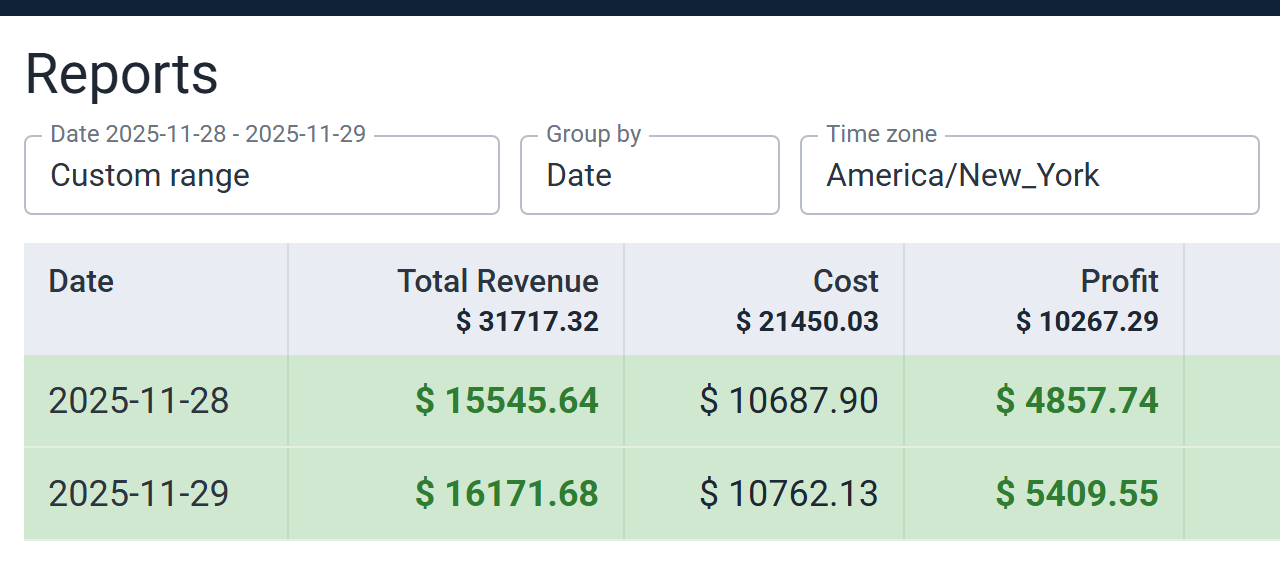
$5,000 days. Then $10,000 days. Then $50,000 days.
My personal best, running everything myself, was $77,000 profit in a single day.
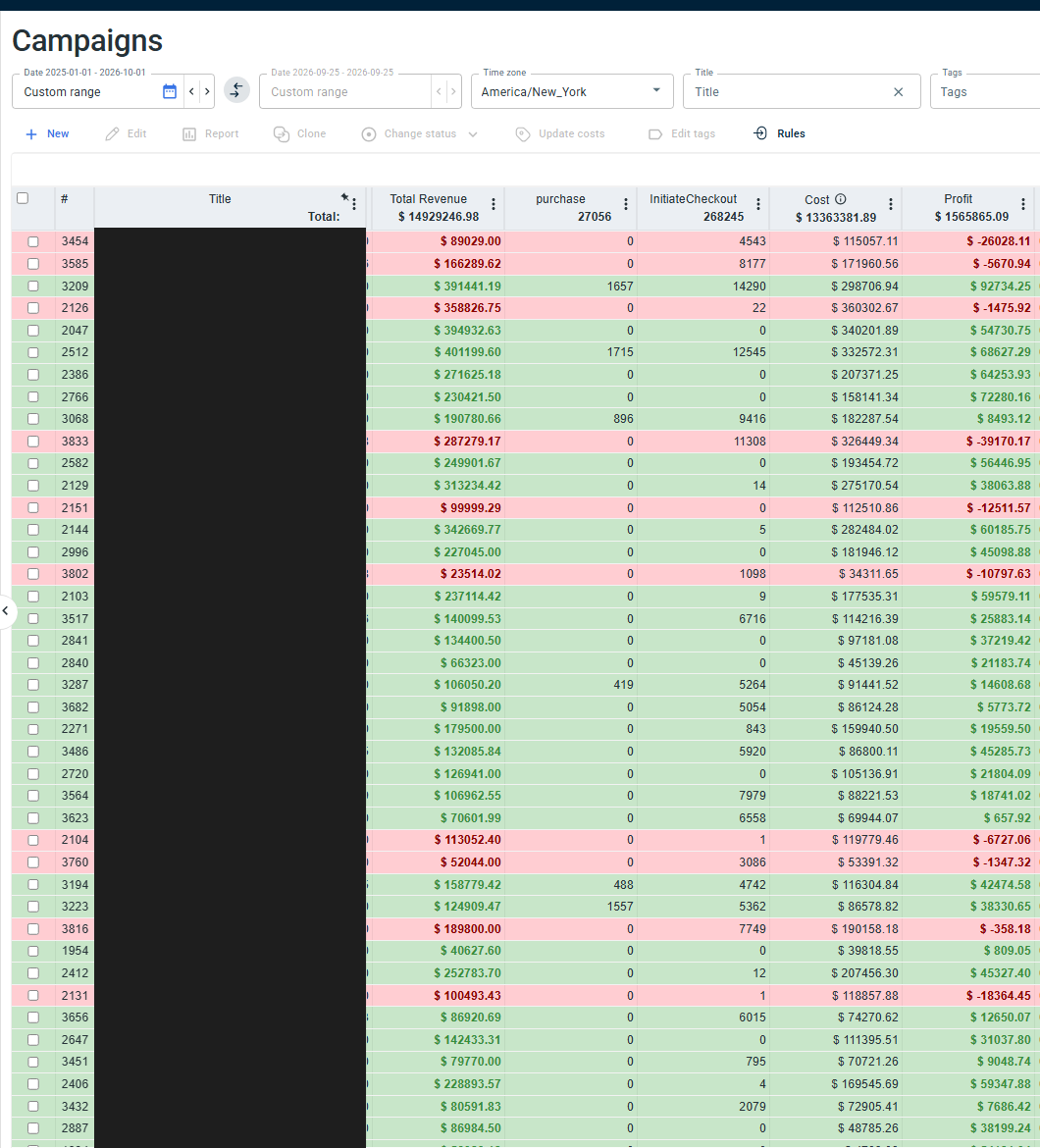
On teams I've been part of — properly built out, multiple offers, multiple ad accounts — I've seen more than $100,000 in profit in a single day more times than I can count on my fingers. Across the years, the operation I've been part of has spent over $100 million on Facebook and Instagram ads. That's not me showing off — that's how you learn what Facebook actually wants to see. You spend that much money getting punched in the face by it and eventually you stop getting punched.
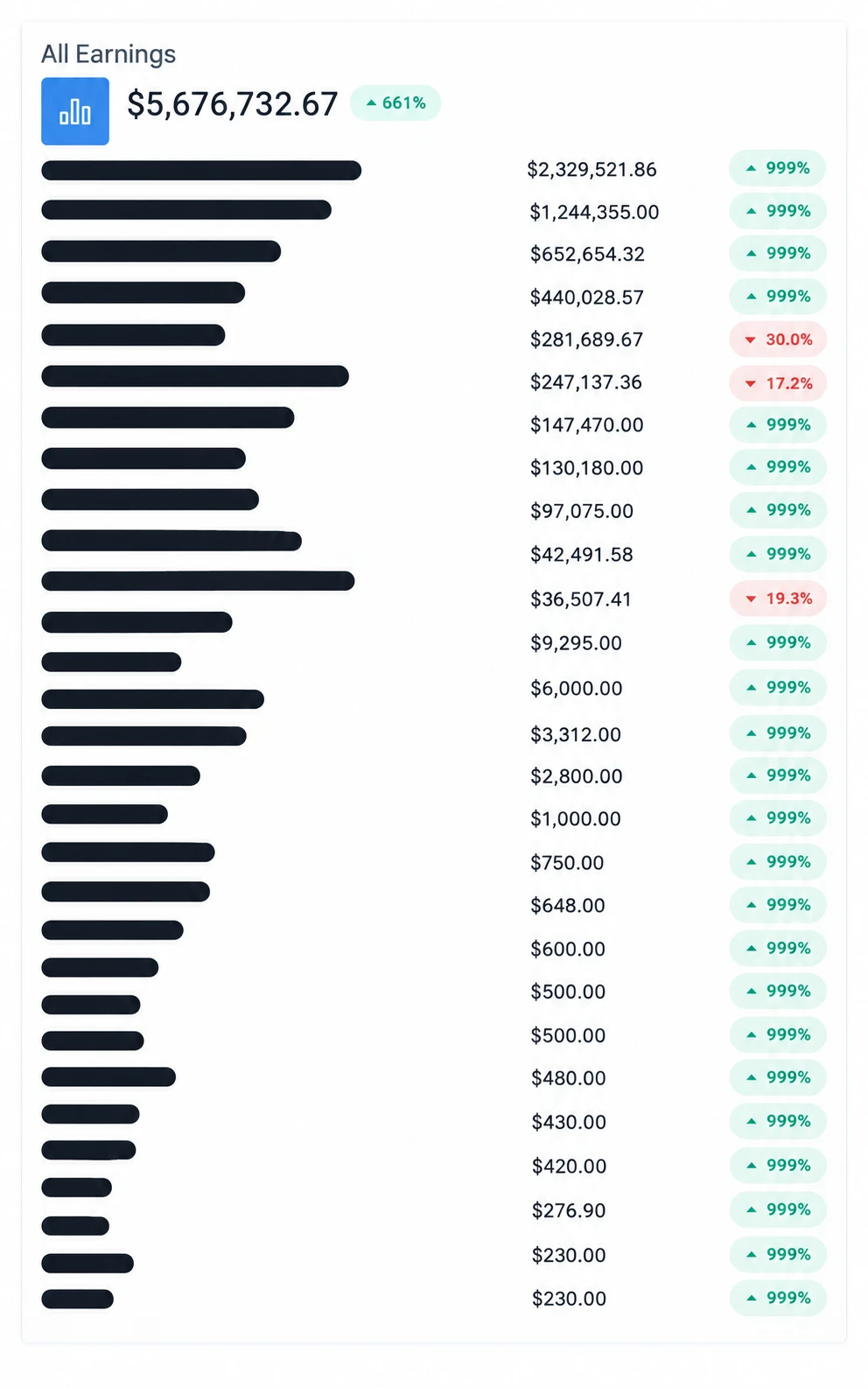
I write those numbers down not to impress anyone. I write them down because when I was 22, reinstalling Windows on trainee wages, running a spreadsheet that said 25 years — I did not believe a normal person could build this from a laptop in a spare room. I would have laughed at me.
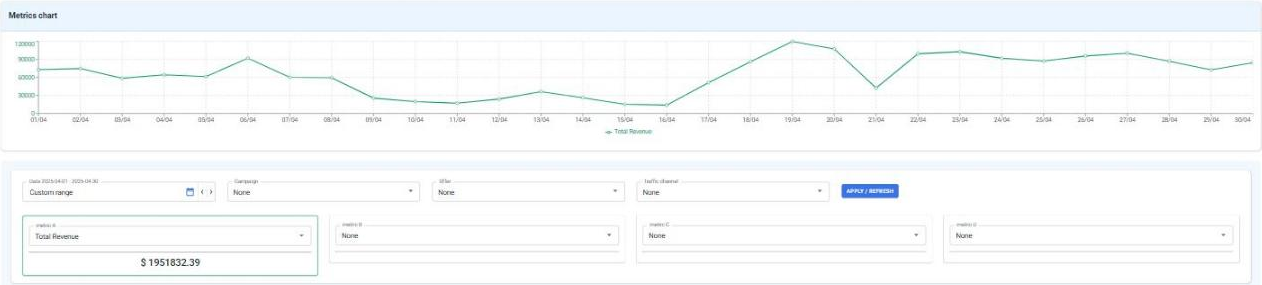
Nobody told me. So I'm telling you.
The toys, briefly
I was lucky enough to enjoy a couple of cars along the way. Somewhere in that stretch of good years I picked up an interest — call it a small addiction — for a very particular kind of engineering.
First, a Porsche 718 GTS 4.0. A Porsche Taycan GTS, the electric one. A Lamborghini Huracán. Later I spent about eighteen months in Thailand, came back home for four months, and bought a Ferrari 488 GTB.
Sold all of them.
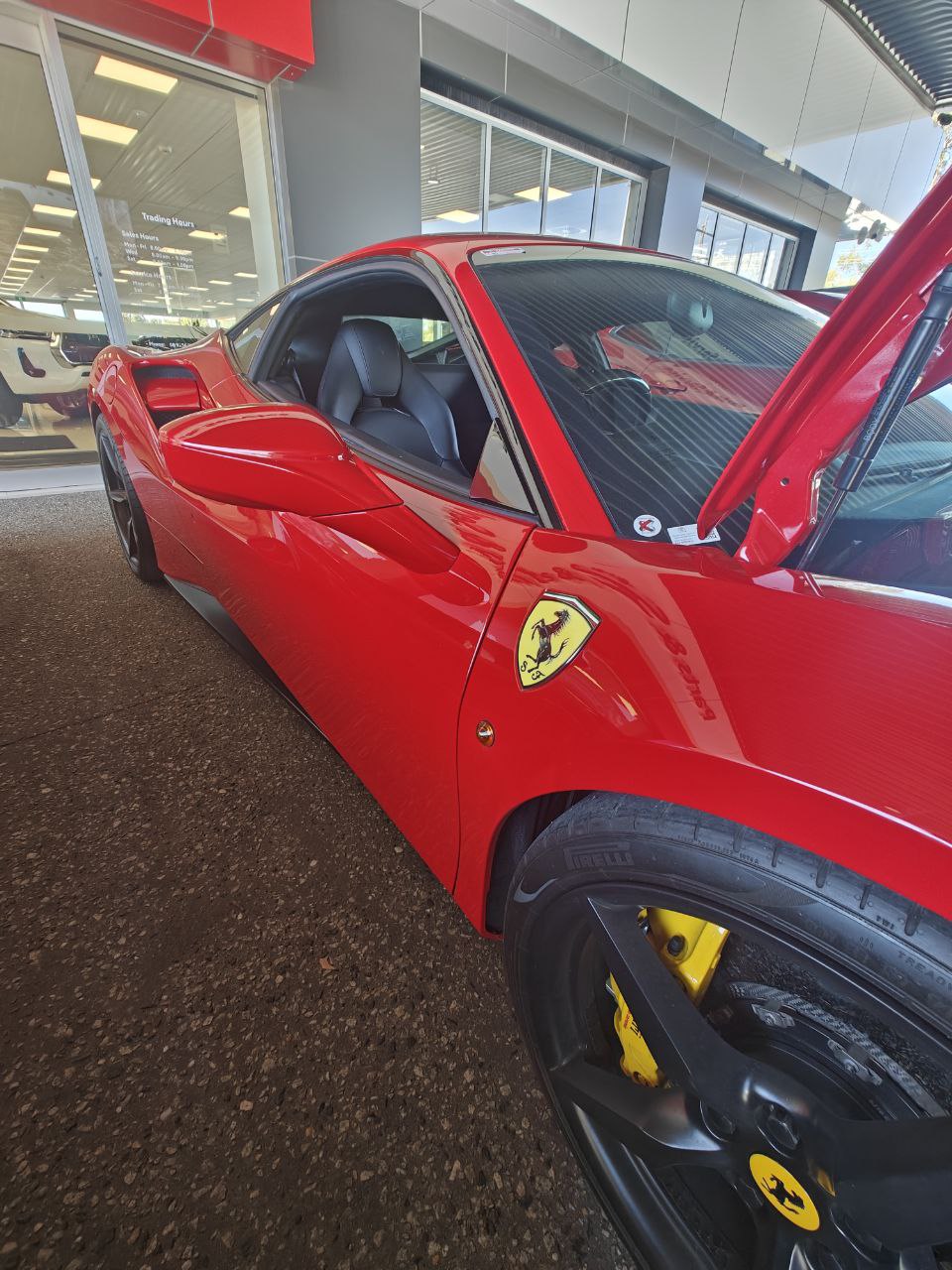
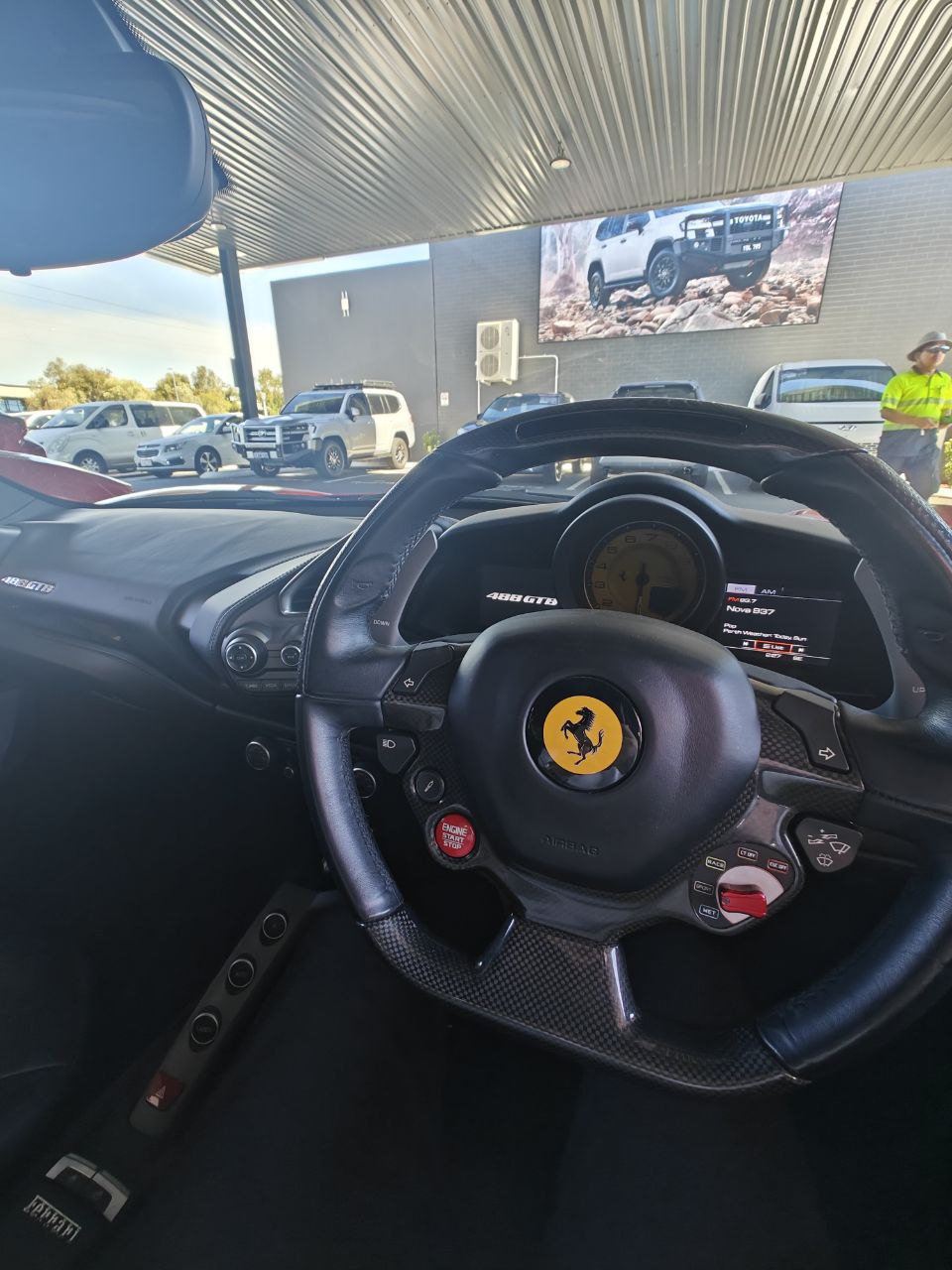
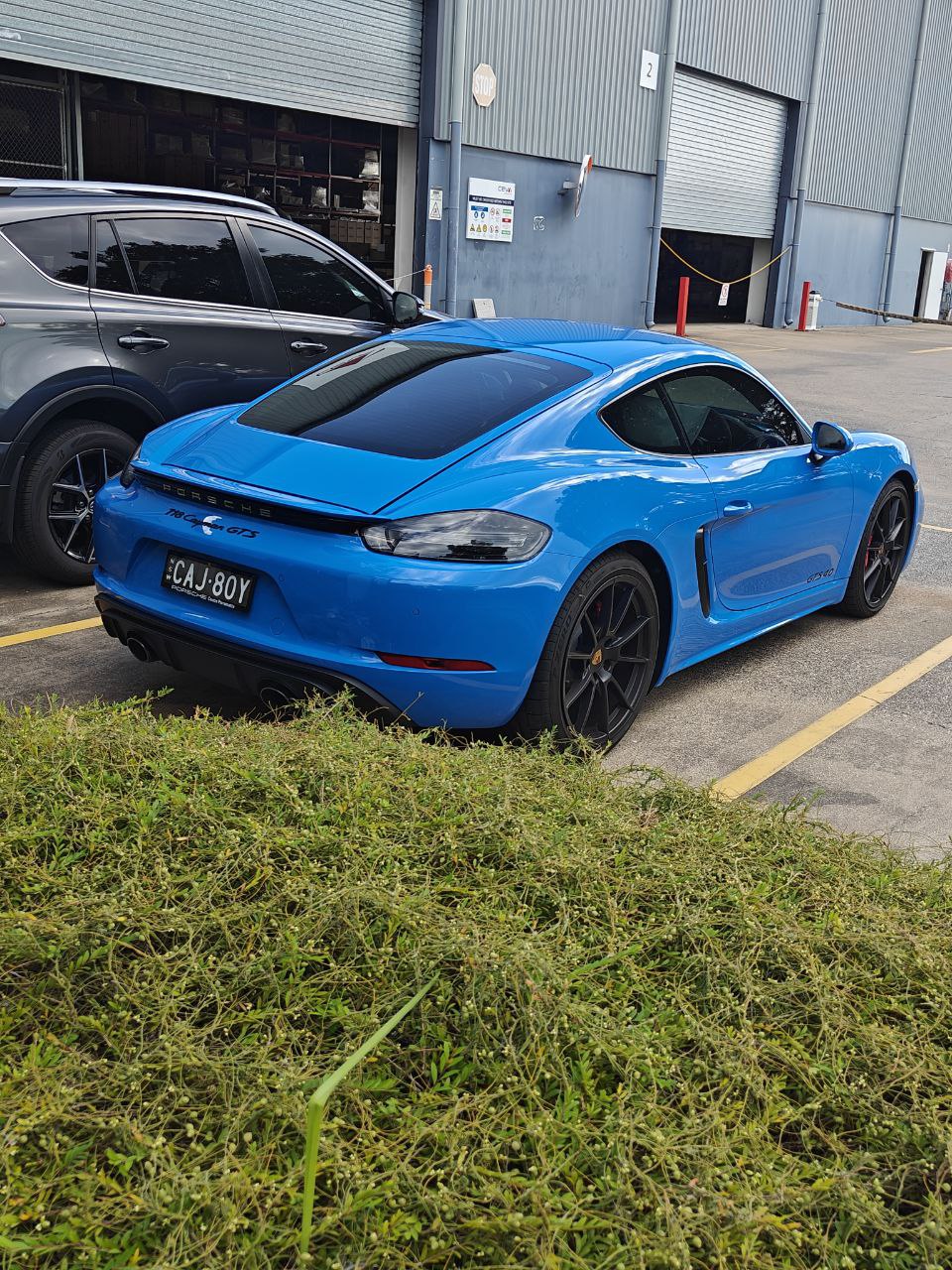


I live in Thailand now. Normal house, good chair, MSI gaming laptop, decent coffee. Same laptop I do everything from. The cars were fun for about four months each and then they were mostly a hassle. I'd rather have quiet.
What I actually do now
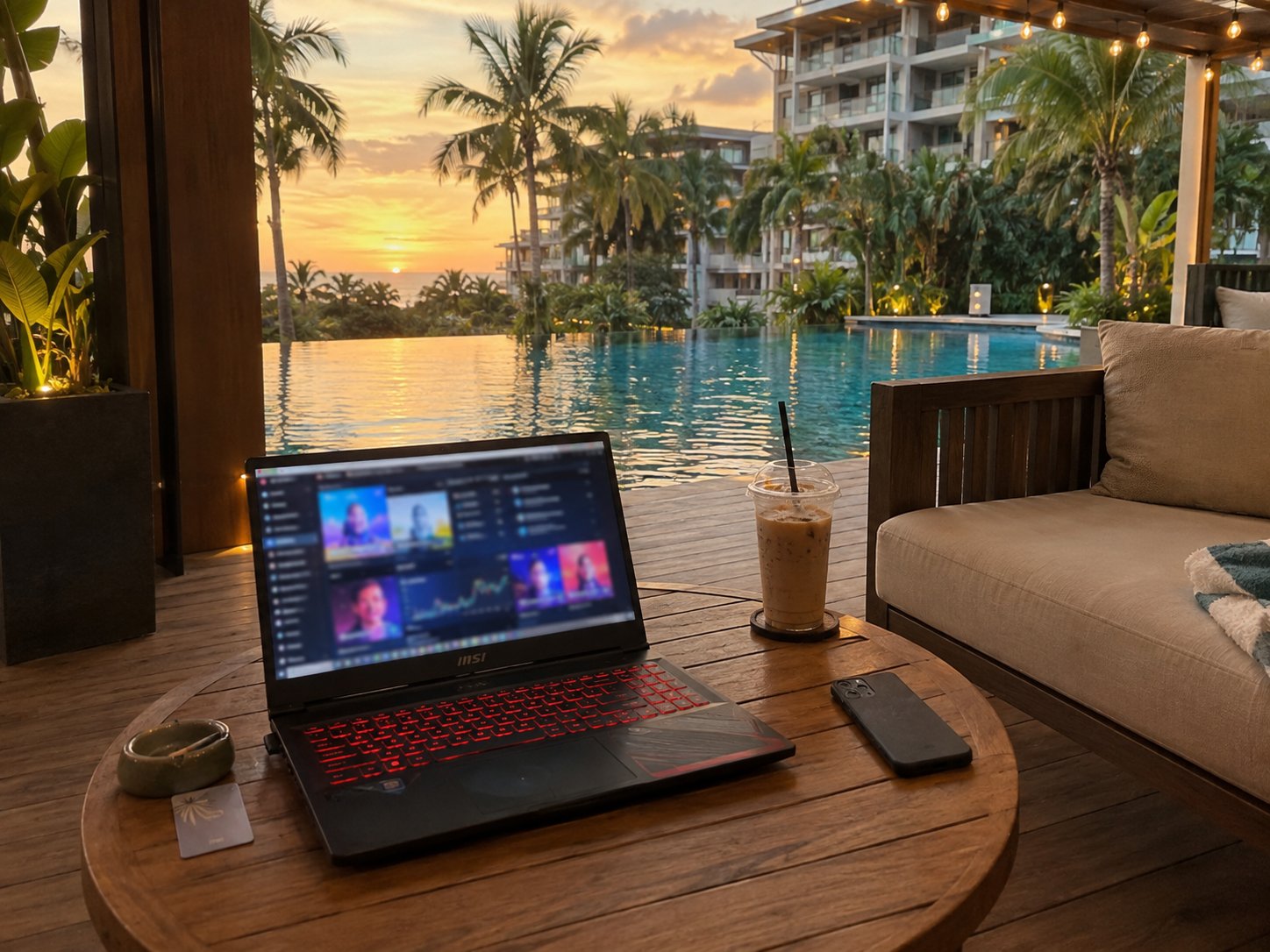
Facebook and Instagram ads plus AI, mostly.
I run ads for offers from affiliate networks. Some pay me for every person who asks for a car finance or insurance quote. Others — digital products, health, online business courses — pay me a cut every time someone buys, usually after watching the company's sales video. Both sides of the game. Same skill, different ways of getting paid. Having both in the mix means when one category goes quiet, the other usually hasn't.
Two things have changed the game in the last twelve months:
The first is AI. It now writes the ads with me. Not perfectly, not on autopilot — but I can make ten times as many ads as I could two years ago, test them faster, and kill the losers sooner. That's the whole ballgame in paid ads: pump out ads, kill the losers fast.
The second is that Facebook has never been better for this. These days it does more of the work of finding the right people for your ad. Which means beginners can compete in a way they simply couldn't in 2018.
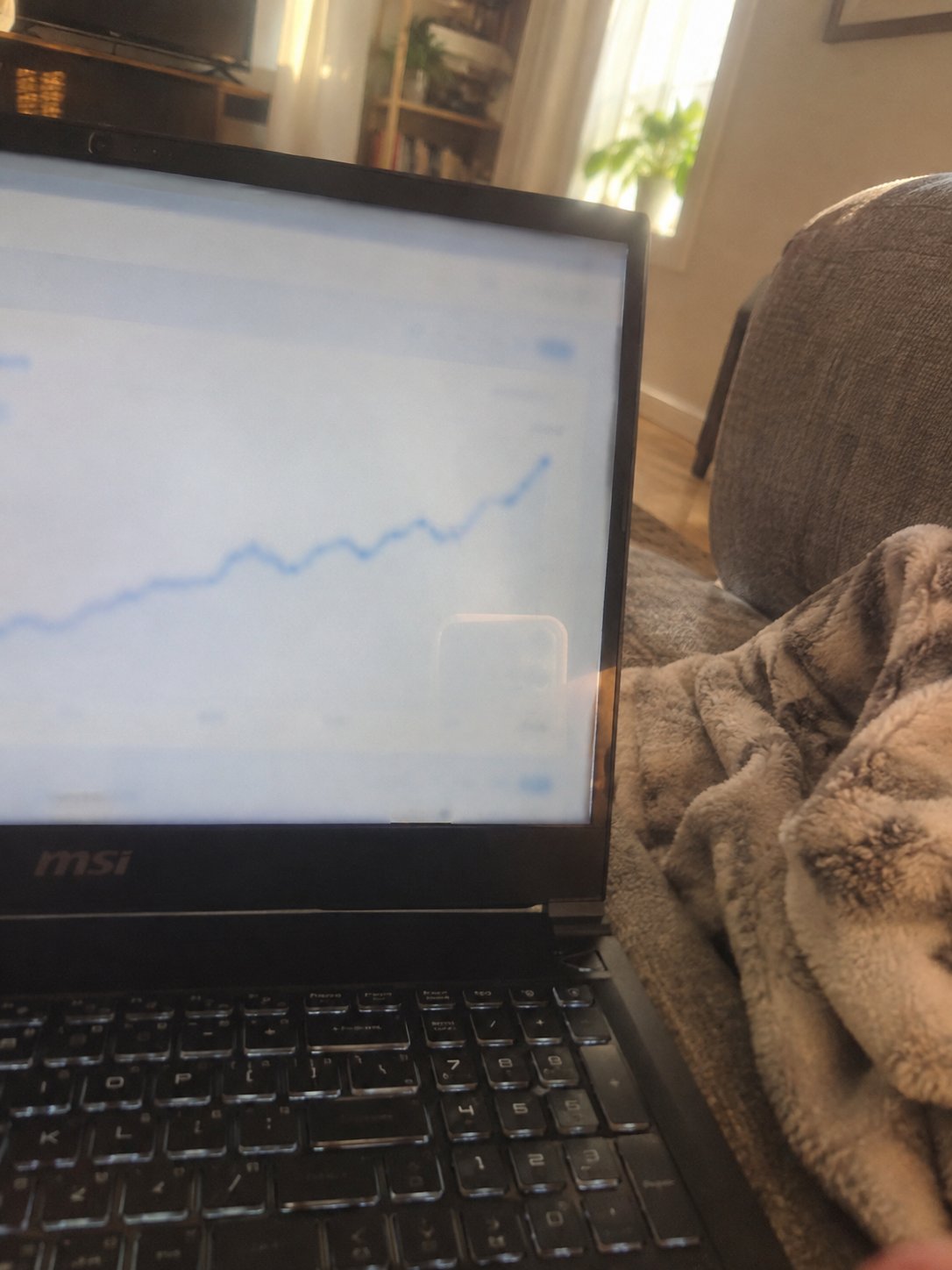
Most days, that's the shape of it. Flip the laptop open for a few minutes, check the ads are still where I want them, close it, go and do something else.
The people I've trained
Somewhere along the way people started asking me how it works, and I started showing them.
More than ten students have made over $500,000 in profit. A handful have crossed $1 million.
Many, many more have made their first $100,000 or $200,000 in profit. That, honestly, is the number I care about most — because that's the number that changes someone's life on the ground level. That's the "I don't have to think about rent" number.
None of them came in with special skills. Almost none were tech people. A few couldn't build a Google doc when they started. Doesn't matter. The skill you actually need is: can you follow a checklist and not panic when a number goes down for a day.
I've got an ADHD brain that hyper-focuses on one or two things at a time. That's the whole personality trait behind any of this. Not intelligence, not luck, not timing. Picking one skill and refusing to look at anything else until it pays. If you have that in you, this works. If you jump between shiny things every 30 days, this — like everything else — won't.
So what's Skaling?
I started Skaling because I got tired of watching people learn this from Twitter threads and YouTube guys who've never spent real money.
It's where I keep everything I actually use, in one place, so a beginner can copy what I do without a year of guessing. The full scope: how the affiliate networks work, how to pick offers, how to run Facebook and Instagram ads at a profit, how to use AI to write your ads and make the pictures for them, how to put more money behind something once it's working. Offers that pay per lead and offers that pay per sale. Both covered.
Your first 7 days are free. After that it's $47 a month, and you can cancel anytime in your Whop account. 30-day money-back guarantee on your first payment — if you get inside and it isn't for you, you email me, you get your $47 back.
The real cost
You'll also need a small ad budget. You set it day by day (most people start at $20–30/day), and it comes back as commissions once your ads work. A couple of tools run about $100/month; we show you which ones and when.
I say that up front because I hate the guys who advertise a cheap start and then hit you with $2,000 of extra stuff to buy once you're inside. I'd rather you know the real costs now than find out in week two and feel misled.
Who this is for
If you want something to buy today that pays you tomorrow — don't join. Keep your card in your wallet and go find that thing. I hope you find it.
If you've got a couple of hours a day, a working laptop, a small budget for ads, and the temperament to be a beginner for a few weeks before it clicks — come in.
You don't need a following. You don't need to be on camera. You don't need to be an expert in anything. You don't need a loud guru personality. You need to learn one skill: sending the right person to the right offer, on the biggest advertising platform in the world.
The pickaxe
There's a gold rush on the internet right now, and most people are digging in the wrong spot. Posting videos nobody watches. Chasing whatever some influencer told them to try this month.
The people actually getting paid are quieter than that. They're pointing the biggest ad platform in history at companies that pay per lead and per sale, and letting the math do the work.
What's inside Skaling is where to dig, and a very effective, very sharp pickaxe to do it with.
Sharp enough that one person, one laptop, one focused year can out-earn an entire small business.
That's the whole pitch.
Ryan